
Disclosure: This post contains affiliate links. Learn more
One of the oldest debates in the fitness world is when to drink your protein shake. Some athletes swear by drinking it before they hit the weights, while others wouldn’t dream of leaving the gym without their post-workout “anabolic window” shake. In 2026, sports science has given us a clearer picture of what actually matters for your muscles.
The truth is, both options have benefits, but the “best” choice depends on your daily schedule and how your body feels during exercise. Let’s break down the facts so you can optimize your results.
The Case for Pre-Workout Protein
Drinking protein before your workout can be beneficial, especially if you haven’t eaten in several hours. It ensures that there are amino acids circulating in your bloodstream while you are training.
This can help prevent excessive muscle breakdown during intense sessions. If you prefer training in the morning or have a long gap between meals, a light protein shake 30 to 60 minutes before you start can provide the fuel your body needs to perform at its best.
The Power of Post-Workout Recovery
The post-workout shake is a classic for a reason. After exercise, your muscles are like sponges—they are primed to soak up nutrients to repair the tiny tears created during training.
Science shows that consuming protein after your session helps jumpstart the recovery process and muscle protein synthesis. While the “30-minute window” isn’t as strict as we once thought, getting your protein in within 1 to 2 hours after your workout is a smart strategy for anyone looking to see progress.
Total Daily Protein: The Real Secret
While timing is helpful, the most important factor for building muscle and losing fat is your total daily protein intake. If you hit your target protein numbers by the end of the day, the exact timing of your shake becomes less critical.
For most active people in the US, focusing on getting 0.8g to 1g of protein per pound of body weight is the primary goal. Whether that protein comes at 8 AM or 8 PM, your body will use it to maintain and build lean tissue.
How to Decide for Yourself:
- Listen to Your Gut: If a pre-workout shake makes you feel heavy or nauseous, stick to post-workout.
- Check Your Schedule: If you have a big dinner planned, a pre-workout shake might help keep your appetite in check.
- Workout Intensity: For very long or intense sessions, having protein nearby (before or after) is highly recommended for recovery.
Combining Timing with Quality
Regardless of when you drink it, the quality of your protein matters. A fast-digesting whey isolate is often preferred for post-workout because it reaches the muscles quickly. A plant-based blend is also an excellent choice, as long as it provides a complete amino acid profile.
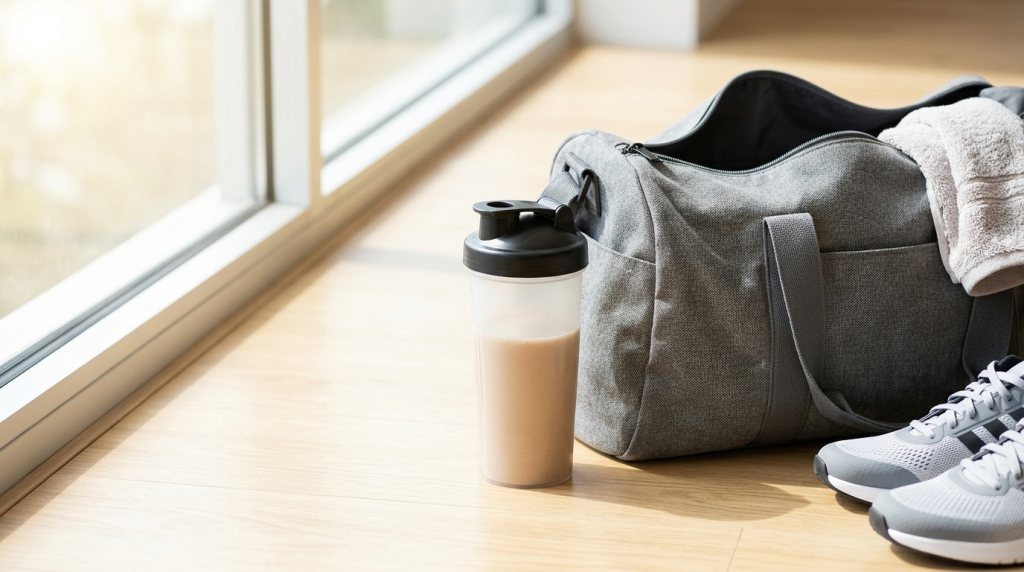
In 2026, convenience is key. Most athletes find that having a shaker bottle ready in their gym bag is the easiest way to ensure they never miss their protein target, no matter the time of day.
FAQ: Protein Shake Timing
Does the “Anabolic Window” really exist? It does, but it’s much wider than 30 minutes. You have a few hours after your workout where your body is extra efficient at using protein.
Is it okay to drink protein during my workout? Yes, some people use “intra-workout” protein, but for most, drinking it before or after is more practical and easier on the stomach.
Can I take protein on rest days? Absolutely. Your muscles are still recovering on rest days, so keeping your protein intake high is essential for consistent progress.
What if I forget my shake after the gym? Don’t panic. Just have a protein-rich meal as soon as you can. Your body won’t lose muscle just because you missed one shake.
Should I mix my shake with water or milk? Water is faster for absorption post-workout. Milk adds more calories and protein, which is great if you are trying to gain weight or using it as a meal replacement.
Talk to your doctor before starting any new supplement.